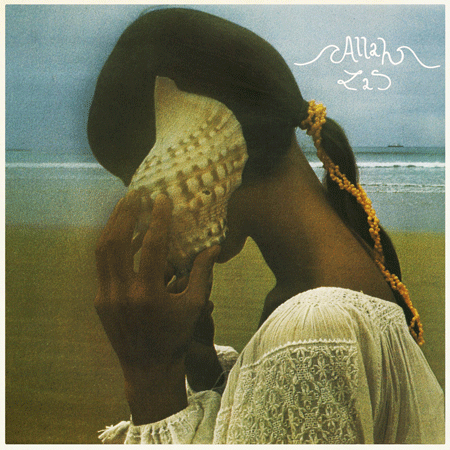
ALLAH-LAS...crate-diggers in London -- surf psych
Posted: Wed Dec 26, 2012 9:13 pm
Recommended by our good friend freedomman--I took the liberty, Ed!!
ALLAH-LAS
"Allah Las, in my opinion Best Album from 2012:
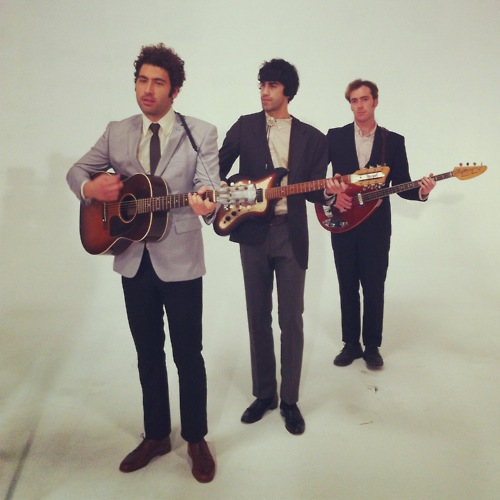
Allah-Las formed in Los Angeles in 2008 around a mutual love for records, Los Angeles history, and the beach. They are all surfers and cover the city from the East Side (Mt. Washington) to way out West (Venice Beach) - and their sound reflects the geography of the city. The group consists of Miles Michaud, singer and guitarist, Pedrum Siadatian, electric guitar and vocals, Spencer Dunham, Electric Bass and vocals, and Matthew Correia, drums, percussion and vocals.
Since coming together as a band, they have cut their teeth playing numerous California dates with groups like Entrance Band, Tyde, Tijuana Panthers, and the Growlers, and have garnered the approval of original UK Psych founding-father Patrick Campbell-Lyons (Nirvana). In the Los Angeles musical community, they have gained a reputation as a laid-back, grooving band with strong ties to the authentically LA-centric sounds of bands like the Byrds, Love, and early Captain Beefheart."
Tell me Whats On Your Mind
http://www.youtube.com/watch?v=fiJYecS0vU0
Busman's Holiday
http://www.youtube.com/watch?v=2qGbcOZd5N0
Don't Forget It
http://www.youtube.com/watch?v=cQmBdvzLiWU
Long Journey
http://www.youtube.com/watch?v=uwYMhfMORw8
................
If I had discovered this not knowing their time line, I would would be sure they were a long lost 60's band with that early Byrds/Love/Stones sound!!

Artists To Watch
Ah, LA. Arguably one of the most infamous abbreviations for a city, the two letters conjure images of a concrete empire shrouded in the remnants of ‘40s. The question of descending from fault lines into the great Pacific always present, at least on a subconscious level, driving smog-shrouded dreams and failed schemes.
The gold rush has long since passed, yet the ache for California lingers on. Although countless artists have dwelled within the expanse of Los Angeles, no band quite captures the city down to its bare roots quite like Allah-Las. Urban dwellers through and through, the quartet records in a distillery in Costa Mesa, aided by the careful production of Nick Waterhouse, in order to carefully craft their reverb-addled, sundrenched sound.
The Allah-Las’ self-titled debut just dropped via Innovative Leisure, a retrospective work spanning the breadth of Los Angeles’ diverse cultural and aesthetic gems. Sharp percussion, swelling guitarlines and breathy vocals bring the beach to the mp3, relishing in a sound that’s distinctively Calfiornian and eternally shimmering in the reflection of waves.
We spoke to lead guitarist Pedrum Siadatian about LA ventures, the resurgence of retro sounds and working Amoeba.
I get the sense that the notion of place is intrinsic to Allah-Las’ sound. What part of LA are you from?
Well, two of us moved from San Francisco. Me personally, I’m from Laurel Canyon.
I read that you guys first met while working at the Amoeba Records in Hollywood. Is there a particular record that brought you guys together?
Pedrum: It wasn’t any record in particular. Spencer and I started jamming in his parents’ basement, and thought we should get a drummer, which is where Matt came in. We were really bad at first, but it was fun. Spencer had gone to high school with Miles and thought, he can sing. We should get him to sing for us. Two weeks after we all met each other we played a Halloween show. Even though we didn’t really have any real songs.
Well, whatever you’re doing now is working! I noticed the production of the album is certainly reminiscent of the warmth of vinyl.
Definitely. We listen to lots of old records, and it’s the kind of production we really like. We kind of wanted to capture it with that aesthetic. We tried producing with other friends, but it just sounded really bad and overproduced. Then our buddy Nick Waterhouse saw us play a show. It was recorded at the distillery, and that’s how we got our first 45. out He has lots of really old, cool analog equipment. We really liked the sound so we recorded the whole album there.
That old distillery sounds cool. L.A. has this element of abandonment to it. What’s the most fascinating part of L.A. history to you in particular?
There’s a lot about LA that’s very unique compared to anywhere else. A lot of hidden treasures in this city, especially from a cultural perspective. We just did this guide to L.A. thing, I wrote in that is Echo Mountain. It’s a hike that starts two miles each way, adjacent to the ruins of this old resort. There’s this old echo phone and you can yell up there, it’s crazy. You can see the tracks from the railway that used to take people up there, it was around for a few decades. The self-realization lake shrine in Pacific Palisades.
Whoa. How’d you find that?
It’s a lake, you walk around it and it’s super lush, serene, beautiful. It’s not cultish like it sounds, and with free parking.
What albums do you find yourself constantly going back to music-wise?
I really love this record by the Pretty Things called PhilippeDeBarge. He was this French playboy in the ‘60s who also happened to be a big fan of the Pretty Things. He hired them to record with them way back when. It was lost for years before Ugly Things put it out put it out in 2009. I suppose that’s ironic. Ugly Things putting out a lost Pretty Things record.
What do you listen to on the road to shows?
A lot of the same stuff. The four of us are all really into The Byrds. When the four of us are driving to a show or something, it’s usually the Stones. I especially love when they were in their transitional experimentation period. It’s crazy -- in their catalogue, they easily about twenty or so solid records. I can’t name many other bands who’ve achieved that. We all like White Fence, Ariel Pink and Beach Boys as well.
Definitely see a penchant of California bands. What’s the best part of an L.A. summer?
Ooh. I’m actually the worst person to ask about this, but I think there’s a definitely a nostalgia. Other than that, I don’t really like the heat or the summer. Weird, right?
***
http://www.prefixmag.com/features/allah ... las/69495/
ALLAH-LAS
"Allah Las, in my opinion Best Album from 2012:
Allah-Las formed in Los Angeles in 2008 around a mutual love for records, Los Angeles history, and the beach. They are all surfers and cover the city from the East Side (Mt. Washington) to way out West (Venice Beach) - and their sound reflects the geography of the city. The group consists of Miles Michaud, singer and guitarist, Pedrum Siadatian, electric guitar and vocals, Spencer Dunham, Electric Bass and vocals, and Matthew Correia, drums, percussion and vocals.
Since coming together as a band, they have cut their teeth playing numerous California dates with groups like Entrance Band, Tyde, Tijuana Panthers, and the Growlers, and have garnered the approval of original UK Psych founding-father Patrick Campbell-Lyons (Nirvana). In the Los Angeles musical community, they have gained a reputation as a laid-back, grooving band with strong ties to the authentically LA-centric sounds of bands like the Byrds, Love, and early Captain Beefheart."
Tell me Whats On Your Mind
http://www.youtube.com/watch?v=fiJYecS0vU0
Busman's Holiday
http://www.youtube.com/watch?v=2qGbcOZd5N0
Don't Forget It
http://www.youtube.com/watch?v=cQmBdvzLiWU
Long Journey
http://www.youtube.com/watch?v=uwYMhfMORw8
................
If I had discovered this not knowing their time line, I would would be sure they were a long lost 60's band with that early Byrds/Love/Stones sound!!
Artists To Watch
Ah, LA. Arguably one of the most infamous abbreviations for a city, the two letters conjure images of a concrete empire shrouded in the remnants of ‘40s. The question of descending from fault lines into the great Pacific always present, at least on a subconscious level, driving smog-shrouded dreams and failed schemes.
The gold rush has long since passed, yet the ache for California lingers on. Although countless artists have dwelled within the expanse of Los Angeles, no band quite captures the city down to its bare roots quite like Allah-Las. Urban dwellers through and through, the quartet records in a distillery in Costa Mesa, aided by the careful production of Nick Waterhouse, in order to carefully craft their reverb-addled, sundrenched sound.
The Allah-Las’ self-titled debut just dropped via Innovative Leisure, a retrospective work spanning the breadth of Los Angeles’ diverse cultural and aesthetic gems. Sharp percussion, swelling guitarlines and breathy vocals bring the beach to the mp3, relishing in a sound that’s distinctively Calfiornian and eternally shimmering in the reflection of waves.
We spoke to lead guitarist Pedrum Siadatian about LA ventures, the resurgence of retro sounds and working Amoeba.
I get the sense that the notion of place is intrinsic to Allah-Las’ sound. What part of LA are you from?
Well, two of us moved from San Francisco. Me personally, I’m from Laurel Canyon.
I read that you guys first met while working at the Amoeba Records in Hollywood. Is there a particular record that brought you guys together?
Pedrum: It wasn’t any record in particular. Spencer and I started jamming in his parents’ basement, and thought we should get a drummer, which is where Matt came in. We were really bad at first, but it was fun. Spencer had gone to high school with Miles and thought, he can sing. We should get him to sing for us. Two weeks after we all met each other we played a Halloween show. Even though we didn’t really have any real songs.
Well, whatever you’re doing now is working! I noticed the production of the album is certainly reminiscent of the warmth of vinyl.
Definitely. We listen to lots of old records, and it’s the kind of production we really like. We kind of wanted to capture it with that aesthetic. We tried producing with other friends, but it just sounded really bad and overproduced. Then our buddy Nick Waterhouse saw us play a show. It was recorded at the distillery, and that’s how we got our first 45. out He has lots of really old, cool analog equipment. We really liked the sound so we recorded the whole album there.
That old distillery sounds cool. L.A. has this element of abandonment to it. What’s the most fascinating part of L.A. history to you in particular?
There’s a lot about LA that’s very unique compared to anywhere else. A lot of hidden treasures in this city, especially from a cultural perspective. We just did this guide to L.A. thing, I wrote in that is Echo Mountain. It’s a hike that starts two miles each way, adjacent to the ruins of this old resort. There’s this old echo phone and you can yell up there, it’s crazy. You can see the tracks from the railway that used to take people up there, it was around for a few decades. The self-realization lake shrine in Pacific Palisades.
Whoa. How’d you find that?
It’s a lake, you walk around it and it’s super lush, serene, beautiful. It’s not cultish like it sounds, and with free parking.
What albums do you find yourself constantly going back to music-wise?
I really love this record by the Pretty Things called PhilippeDeBarge. He was this French playboy in the ‘60s who also happened to be a big fan of the Pretty Things. He hired them to record with them way back when. It was lost for years before Ugly Things put it out put it out in 2009. I suppose that’s ironic. Ugly Things putting out a lost Pretty Things record.
What do you listen to on the road to shows?
A lot of the same stuff. The four of us are all really into The Byrds. When the four of us are driving to a show or something, it’s usually the Stones. I especially love when they were in their transitional experimentation period. It’s crazy -- in their catalogue, they easily about twenty or so solid records. I can’t name many other bands who’ve achieved that. We all like White Fence, Ariel Pink and Beach Boys as well.
Definitely see a penchant of California bands. What’s the best part of an L.A. summer?
Ooh. I’m actually the worst person to ask about this, but I think there’s a definitely a nostalgia. Other than that, I don’t really like the heat or the summer. Weird, right?
***
http://www.prefixmag.com/features/allah ... las/69495/